Navigating the Complex World of Pain Management: A Comprehensive Guide
Understanding Pain: More Than Just a Sensation
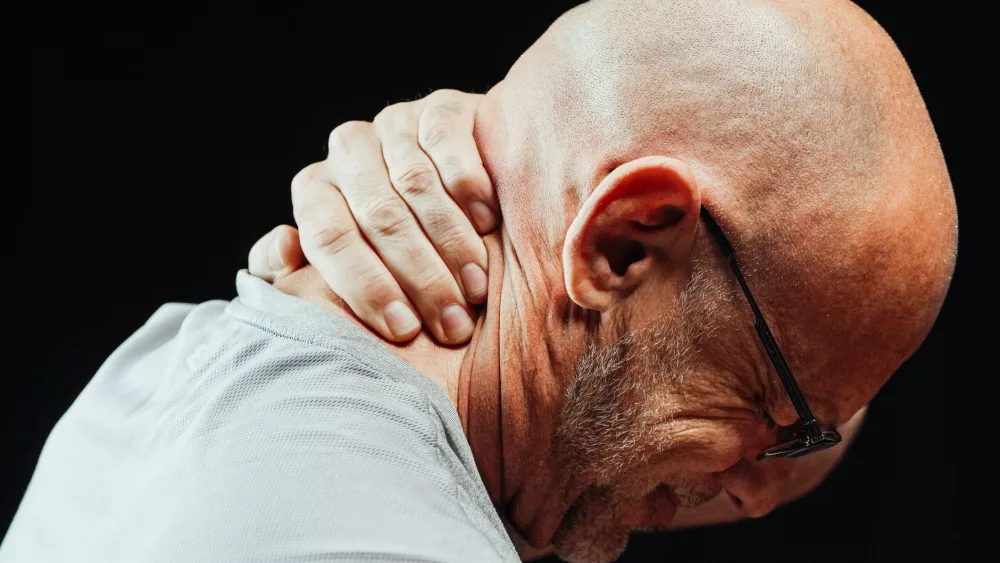
When we talk about pain management, it's not just about popping a pill to make an ache go away. Oh no, it’s much, much more involved than that. I've seen firsthand, both in my own life and through observing others, how debilitating and frustrating persistent pain can be. It's a deeply personal and often isolating experience. My goal here is to help us unpack this complex topic, offering insights into various strategies that can bring relief and improve quality of life. We're going to explore how we can better understand and manage pain, because let's face it, living with it can feel like a full-time job.
First off, it’s really important to distinguish between different types of pain. Understanding this helps us choose the right battle plan. We generally categorize pain into a couple of main types:
- Acute Pain: This is your body's alarm system, a sudden, usually sharp pain that tells you something's wrong. Think about touching a hot stove or spraining your ankle. It's temporary, often resolves once the underlying cause is treated, and usually lasts less than three to six months.
- Chronic Pain: Now, this is a whole different beast. Chronic pain hangs around long after the initial injury has healed, sometimes lasting for months or even years. It can also develop without any clear cause. Conditions like arthritis, fibromyalgia, nerve damage, or persistent back issues often fall into this category. It doesn't just affect your body; it can seriously impact your mood, sleep, and overall daily functioning. Living with chronic pain can be incredibly tough, and it often requires a multifaceted approach to management.
The Multidisciplinary Approach: Why One Size Doesn't Fit All
Honestly, thinking about pain management as just one thing is a huge mistake. Effective pain management is rarely a one-shot deal; it's almost always a journey that involves a team of healthcare professionals and a variety of strategies working in concert. I'm talking about what we call a multidisciplinary approach. This means you might have a doctor, a physical therapist, a psychologist, and maybe even an acupuncturist all contributing to your care plan. It's about looking at the whole person, not just the symptom.
Non-Pharmacological Strategies: Tools Beyond Medication
Let's talk about some incredible non-drug options first. I think these are often overlooked, but they can be incredibly powerful:
- Physical Therapy and Exercise: This is foundational for so many types of pain. A physical therapist can teach you specific exercises to strengthen weak muscles, improve flexibility, and correct poor posture. I mean, gentle movement can feel counterintuitive when you're hurting, but it often works wonders. It's about rebuilding function and preventing future injury.
- Mind-Body Techniques: Our minds and bodies are so interconnected! Techniques like mindfulness meditation, yoga, and guided imagery can significantly reduce pain perception and improve coping skills. They help you shift your focus, calm your nervous system, and sometimes even alter how your brain processes pain signals. It’s not just 'woo-woo' stuff; there's solid science behind it.
- Cognitive Behavioral Therapy (CBT): This type of therapy helps you identify and change negative thought patterns and behaviors related to pain. If you've ever felt like your pain is controlling your life, CBT can give you tools to regain some control and improve your outlook. It's about reframing your relationship with pain.
- Acupuncture and Chiropractic Care: For some folks, these alternative therapies offer significant relief. Acupuncture, with its ancient roots, involves placing thin needles at specific points on the body. Chiropractic care focuses on spinal manipulation and alignment. Many people swear by them for back pain, headaches, and other musculoskeletal issues.
- Lifestyle Adjustments: Don't underestimate the power of a healthy lifestyle. Things like maintaining a balanced diet, ensuring adequate sleep, and managing stress effectively can have a profound impact on pain levels. What we put into our bodies and how we live our daily lives really does matter.
Pharmacological Interventions: When Medications Come Into Play
Of course, sometimes medications are absolutely necessary. They play a vital role, especially when pain is acute or particularly severe. But it's about using them smartly and safely.
- Over-the-Counter (OTC) Pain Relievers: For mild to moderate pain, things like acetaminophen (Tylenol) or NSAIDs (ibuprofen, naproxen) are often the first line of defense. They work by reducing inflammation or interfering with pain signals. Just remember to always follow dosage instructions carefully.
- Prescription Medications: Your doctor might prescribe stronger options, which could include more potent NSAIDs, muscle relaxants, or even certain antidepressants and anti-seizure medications that have pain-relieving properties, particularly for neuropathic pain. Opioids are sometimes used for severe acute pain or very specific chronic pain conditions, but their use is typically monitored very closely due to concerns about dependence and side effects. It's a delicate balance, and I believe open communication with your doctor about your concerns and experiences is paramount.
- Topical Agents: Creams, gels, and patches containing pain-relieving ingredients can be applied directly to the skin over the affected area. These can be really useful for localized pain, often with fewer systemic side effects than oral medications.
- Injections: For some localized or nerve-related pain, injections can be incredibly effective. We're talking about things like corticosteroid injections to reduce inflammation in joints or around nerves, or nerve blocks that temporarily interrupt pain signals.
Advanced Interventional Procedures: When Other Options Aren't Enough
When standard treatments aren't cutting it, there are more advanced options available. These are usually considered after less invasive methods have been exhausted.
- Radiofrequency Ablation (RFA): This procedure uses heat generated by radio waves to ablate (burn) specific nerves, essentially turning off their ability to send pain signals. It's often used for chronic back or neck pain caused by facet joint issues.
- Spinal Cord Stimulation (SCS): This involves implanting a small device under the skin that sends mild electrical pulses to the spinal cord. These pulses interfere with pain signals, replacing them with a tingling sensation or, in newer devices, a sensation-free relief. It's a reversible treatment and can be truly life-changing for some people with neuropathic pain.
The Human Side of Pain Management: Challenges and Empowerment
Managing pain isn't just about the physical stuff; it's incredibly emotional and psychological. There's often a stigma attached to chronic pain, and sometimes people feel like their pain isn't being taken seriously. This can lead to feelings of frustration, isolation, and even depression. I know it's hard, but advocating for yourself is so important here. Find a healthcare provider who truly listens and understands. Don't be afraid to ask questions, seek second opinions, and be an active participant in your treatment plan. Your experience is valid, and you deserve effective care.
It's also about setting realistic expectations. Pain management isn't always about eliminating pain entirely, but rather about reducing it to a manageable level so you can engage in life more fully. It’s about improving your function, your mood, and your overall quality of life. This means learning coping strategies, adapting activities, and celebrating small victories. Finding that right mix of treatments and lifestyle adjustments can take time and patience, but I believe it's absolutely worth the effort for a more comfortable and fulfilling life.
Editorial Team
Contributor and staff analyst writing detailed analyses, guides, and coverage on technology, strategy, and modern digital ecosystems.