The Enduring Utility of the Backpack: A Comprehensive Guide
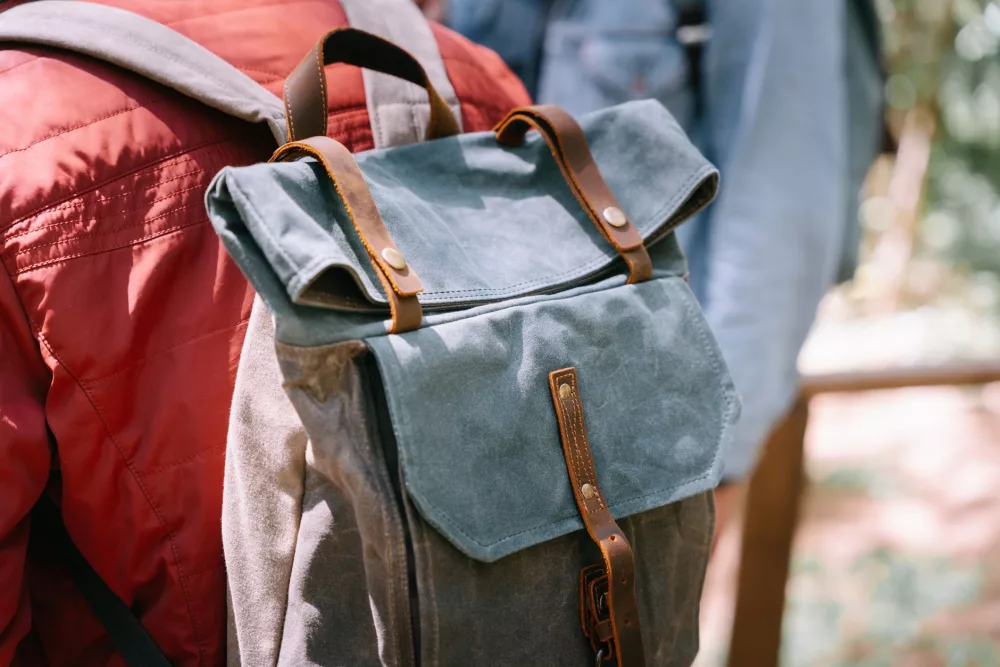
The Backpack: An Unsung Hero of Daily Life
When I think about practical, everyday carry gear, few items come close to the sheer utility and widespread appeal of the backpack. It's more than just a bag; it's an extension of ourselves, a portable sanctuary for our essentials, a silent companion on countless journeys. From the schoolyard to the summit of a mountain, from crowded urban commutes to serene forest trails, backpacks are everywhere, serving an incredible array of purposes. They’ve evolved quite a bit, haven’t they? I've spent a good chunk of my life relying on various backpacks, and I've come to really appreciate the thoughtful design that goes into making a truly great one.
We often overlook the clever engineering and thoughtful design behind these ubiquitous carriers. What seems like a simple sack with straps is actually a sophisticated system designed to distribute weight, protect contents, and provide easy access. Whether you're a student, a hiker, a digital nomad, or just someone who needs to carry stuff, understanding what makes a backpack tick can seriously upgrade your experience.
A Glimpse into Backpack History
You know, the concept isn't new at all. Humans have been carrying things on their backs for millennia. Early versions were probably just animal skins or woven baskets strapped to the shoulders, simple yet effective. Think about indigenous cultures around the world; they've used various forms of back carriers for carrying food, tools, and even babies. Fast forward to the late 19th and early 20th centuries, and we start seeing more recognizable designs. Norwegian inventor Ole F. Bergan patented a framed backpack in 1908 that distributed weight better, a significant step. Then came Gerry Cunningham in the 1930s with zippers and lightweight nylon, really revolutionizing things for outdoor enthusiasts, making backpacking accessible to more people. It’s wild to think how far we’ve come from a simple pouch to the incredibly engineered pieces of kit we use today, often without giving it a second thought.
Understanding the Anatomy of a Backpack
Before we dive into types and uses, let's break down what actually makes up a backpack. It’s got more parts than you might assume, and each one plays a role.
Key Components
- Main Compartment: This is the big kahuna, the primary storage area. Its size dictates how much you can carry, obviously. Sometimes it's a single large space, other times it's segmented.
- Pockets: Oh, the pockets! External pockets, internal mesh pockets, front pockets, side pockets for water bottles, even hidden security pockets. Good organization often hinges on smart pocket placement.
- Straps: These are critical. We're talking shoulder straps (padded for comfort!), sternum straps (to keep the pack stable and distribute weight across your chest), and hip belts (super important for transferring weight from your shoulders to your hips, especially on heavier loads).
- Back Panel: This part rests against your back. Quality packs often feature padded and ventilated back panels to prevent sweat buildup and enhance comfort, particularly during long hauls. Some even have internal frames for structure.
- Material: The fabric choice is huge. Common options include nylon (ripstop nylon is durable!), polyester, canvas, and even specialized waterproof materials. The denier rating (e.g., 600D, 1000D) indicates thickness and durability.
- Zippers and Buckles: These might seem minor, but reliable YKK zippers and sturdy buckles can make or break a pack's longevity and ease of use.
- Attachment Points: Loops, daisy chains, and compression straps allow you to attach extra gear, cinch down your load, or customize your carry.
Diverse World of Backpacks: Finding Your Match
It's amazing how specialized backpacks have become. There's truly one for every conceivable activity.
Common Backpack Types
- Daypacks: These are your everyday companions. Usually between 15-30 liters, perfect for work, school, or short hikes. They're typically lightweight and might feature a laptop sleeve. I’ve used so many different daypacks over the years; they’re incredibly versatile.
- Travel Backpacks: Designed as alternatives to suitcases, these often have a clamshell opening for easy packing and can range from carry-on friendly sizes (30-45L) to larger checked baggage options. They often hide their straps for a cleaner look when not being worn.
- Hiking and Trekking Backpacks: Built for the outdoors, these come in capacities from 30 liters for a day hike to 80+ liters for multi-day expeditions. They usually have robust frames (internal or external), excellent ventilation, and adjustable suspension systems to handle heavy loads comfortably.
- Laptop Backpacks: Specifically designed to protect your tech, they feature padded compartments for laptops and tablets, often with additional pockets for chargers and peripherals. Security features are common too.
- Tactical/Military Backpacks: Rugged and modular, these often use MOLLE webbing for attaching extra pouches and gear. They're built for durability and often in subdued colors.
- Specialty Backpacks: This category is vast! Think hydration packs for cyclists, camera backpacks with padded dividers, ski/snowboard packs with specific attachment points, or even ultralight running vests.
How to Pick the Perfect Backpack: My Advice
Choosing the right backpack isn't just about aesthetics; it's about functionality, comfort, and durability. Here's what I always consider.
Key Considerations
First off, purpose is king. What are you primarily going to use it for? A backpack for daily commuting will be wildly different from one you’d take on a thru-hike. My advice is to really think about your typical activities.
Next, think about capacity. This is measured in liters. A 20L pack is great for daily essentials, while a 60L pack is for multi-day trips. Don't overpack with too much space, and certainly don't under-pack where you're cramming things in.
Fit is absolutely non-negotiable, especially for larger packs. Torso length, not height, is what matters most for hiking packs. Many outdoor retailers can help you measure and fit a pack properly. An ill-fitting pack, even an expensive one, will cause discomfort and potential injury. Trust me on this one; I learned the hard way years ago.
Then there are features. Do you need a dedicated laptop sleeve? Hydration reservoir compatibility? Water resistance? A rain cover? Easy access pockets? Compression straps? A particular kind of opening? Make a mental checklist of your must-haves versus nice-to-haves.
Comfort ties into fit but also includes things like padding on shoulder straps and the back panel. Good ventilation can prevent a sweaty back, which is a big deal in warmer climates or during strenuous activity.
Finally, consider durability and budget. While you might save a few bucks on a cheaper pack, it might not hold up. Investing in a well-made backpack from a reputable brand usually pays off in the long run. I’ve had some packs last me over a decade because I didn’t skimp.
Keeping Your Backpack in Top Shape
A good backpack can last for years with proper care.
Maintenance Tips
- Clean Regularly: Don't let dirt and grime build up. Most packs can be hand-washed with mild soap and water. Always check the manufacturer's instructions.
- Store Properly: When not in use, store your backpack in a cool, dry place, away from direct sunlight, which can degrade fabrics over time.
- Don't Overload: Respect the pack's capacity limits. Constantly overloading it strains zippers, seams, and straps.
- Fix Minor Issues: A small tear or a loose stitch can often be repaired easily at home before it becomes a bigger problem.
The backpack, in all its forms, continues to be an essential tool in our lives. It’s a testament to simple, effective design evolving to meet modern needs. From carrying our books to our dreams, it’s always there, ready for the next adventure. I don't know about you, but I can't imagine navigating my day-to-day without one close by.
Editorial Team
Contributor and staff analyst writing detailed analyses, guides, and coverage on technology, strategy, and modern digital ecosystems.