A Deep Dive into Volaris: Mexico's Ultra-Low-Cost Aviation Giant
Understanding Volaris: A Unique Player in Latin American Aviation
When we talk about accessible air travel in Mexico and across parts of Latin America, it's hard not to immediately think of Volaris. I find this airline fascinating because it’s really carved out a significant niche for itself, differentiating its service model quite effectively. Officially known as Concesionaria Vuela Compañía de Aviación, S.A.P.I. de C.V., Volaris has become a household name, particularly for those looking for budget-friendly flights without sacrificing a foundational level of service. It's truly a story of strategic market entry and sustained growth.
We saw Volaris begin its operations back in 2006, and since then, it’s consistently challenged traditional carriers by championing the ultra-low-cost carrier (ULCC) model. This isn't just about cheap tickets; it’s a whole philosophy of how to operate an airline efficiently and pass those savings onto the customer. For me, understanding their approach is key to grasping their success. They've built a reputation for connecting underserved routes and making air travel an option for many who previously couldn't afford it. It's a significant contribution to regional connectivity, I'd say.
The Ultra-Low-Cost Model: How Volaris Does It
The core of Volaris's strategy is, unequivocally, its ultra-low-cost model. This isn't just a marketing slogan; it's deeply ingrained in every aspect of their operations. We're talking about a very disciplined approach to cost control. What does that mean in practice? It means they focus intensely on things like maximizing aircraft utilization, keeping turnaround times at airports as short as possible, and operating a modern, fuel-efficient fleet. I've observed that they're really good at this.
Unbundling Services for Affordability
One of the most obvious manifestations of the ULCC model, and something you'll notice right away with Volaris, is the unbundling of services. The base fare covers your seat and that’s about it. If you want to bring a carry-on bag, check luggage, select a specific seat, or even get a snack or drink on board, those are all à la carte options. For many travelers, this is a perfectly acceptable trade-off. It empowers passengers to pay only for what they need, which I think is a smart way to manage individual travel budgets. It's not for everyone, certainly, but for a large segment of the market, it's ideal.
Operational Efficiency: A Core Principle
Their operational efficiency is something we can't overlook. Volaris generally operates a point-to-point network rather than a hub-and-spoke system. This reduces complexity and allows for quicker flight connections, meaning their aircraft spend more time in the air generating revenue and less time waiting on the ground. We also see them flying to secondary airports where feasible, which often means lower landing fees and less air traffic congestion, further contributing to their cost savings. It’s all part of the big picture for them.
Expanding Horizons: Volaris's Network and Fleet
When you look at Volaris's network, you'll see a strong emphasis on domestic routes within Mexico, connecting major cities with regional hubs. However, they've also become a significant player in international travel, particularly between Mexico and the United States. Many Mexicans living in the US rely on Volaris for affordable visits home, and we've seen them steadily increase their presence in key markets like California, Texas, and Illinois.
Beyond the US, Volaris has also expanded into Central and South America. They offer flights to destinations in Guatemala, Costa Rica, El Salvador, and Colombia, among others. This strategic expansion helps them tap into new passenger segments and diversify their revenue streams, which is always a good business move, in my opinion.
A Modern, Streamlined Fleet
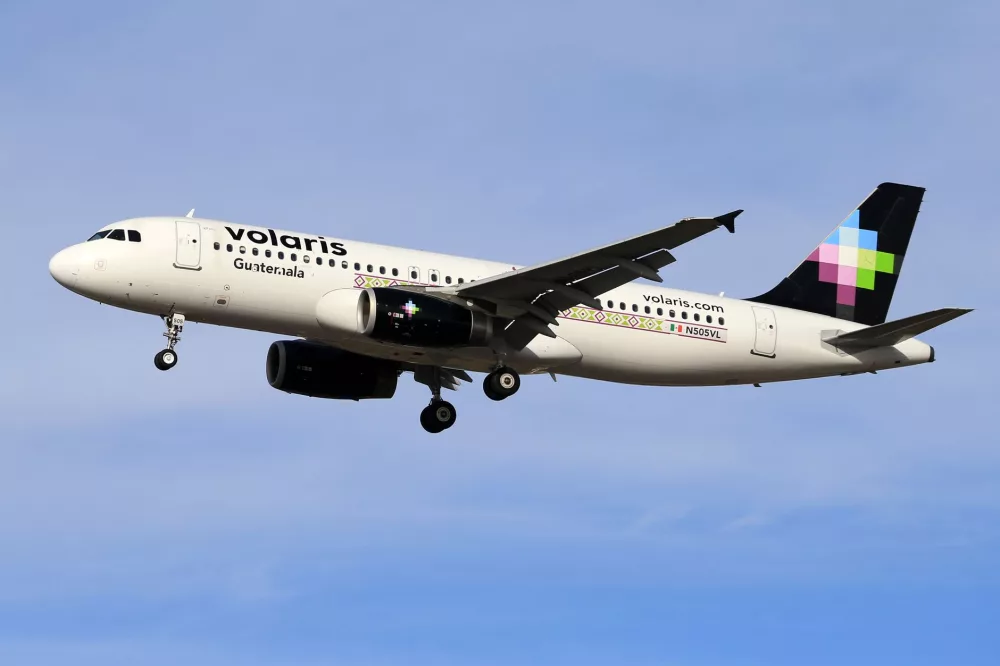
The Volaris fleet is primarily composed of Airbus A320 family aircraft. We're talking about the A319, A320, and A321 models, including the newer neo (New Engine Option) variants. Using a single family of aircraft offers substantial benefits in terms of maintenance, crew training, and spare parts management. It simplifies their operations considerably and helps keep costs down, something I know they prioritize heavily. The A320neo family, in particular, offers improved fuel efficiency and a lower environmental footprint, aligning with global industry trends towards sustainability.
The Passenger Experience: What to Expect
So, what's it like to fly with Volaris? Well, if you go in expecting a full-service, luxury experience, you'll probably be disappointed. But that's not what they're trying to deliver, and it’s important to manage those expectations. What you *can* expect is a clean, modern aircraft and a safe, reliable journey. Their crews are generally professional and efficient, getting you where you need to go without much fuss.
Comfort levels are typical for a budget airline – seats are functional but don't recline much, and legroom is standard economy. As I mentioned, everything beyond the seat is extra, so don't count on complimentary snacks or entertainment. If you plan ahead and purchase your add-ons online, you can often save money compared to buying them at the airport. It's all about being a savvy traveler with Volaris.
Growth, Challenges, and a Look Ahead
Volaris has demonstrated impressive growth over the years, navigating market fluctuations and competitive pressures with a consistent strategy. The airline has adapted to various economic cycles and global events, including the recent pandemic, showing a resilience that I find quite commendable. We've seen them adjust capacity and pivot to meet demand, particularly as domestic travel rebounded strongly.
However, like any airline, Volaris faces its share of challenges. Fuel price volatility is always a significant concern, directly impacting operational costs. Intense competition from other Mexican carriers and international airlines also means they must constantly innovate and maintain their cost advantage. Infrastructure limitations at some airports can also pose operational hurdles. Nevertheless, their solid business model and strong brand recognition position them well for future opportunities, especially as more people in the region gain access to air travel. They're clearly looking for ways to expand without compromising their fundamental principles.
Sustainability Efforts and Community Involvement
It's also worth noting that Volaris has been making strides in sustainability. We know that aviation has an environmental impact, and airlines are increasingly expected to address this. Volaris, with its modern fleet, already benefits from the fuel efficiency of the A320neo. They’ve also been exploring sustainable aviation fuels (SAFs) and implementing operational procedures designed to reduce their carbon footprint. While there's always more work to be done in this area across the industry, I think their commitment is a step in the right direction.
Beyond environmental efforts, Volaris has also shown engagement in community initiatives, particularly in supporting education and cultural programs in the regions they serve. This kind of corporate responsibility helps build goodwill and reinforces their connection to the communities that form their customer base. It's an aspect of their operation that often goes unnoticed but is genuinely important.
Why Volaris Remains a Go-To Option
Ultimately, Volaris remains a compelling choice for many travelers because it delivers on its promise: affordable air travel. For folks planning a family visit, a business trip, or a quick getaway where the journey itself isn't the primary focus, Volaris offers an economical solution. By clearly defining its service model and sticking to it, the airline has built a loyal customer base that understands and values the proposition of paying less for the essentials. If you're okay with the unbundled approach and appreciate a direct, no-frills flight, I think you'll find Volaris to be a perfectly suitable and smart option for your travel needs across Mexico and beyond.
Editorial Team
Contributor and staff analyst writing detailed analyses, guides, and coverage on technology, strategy, and modern digital ecosystems.